


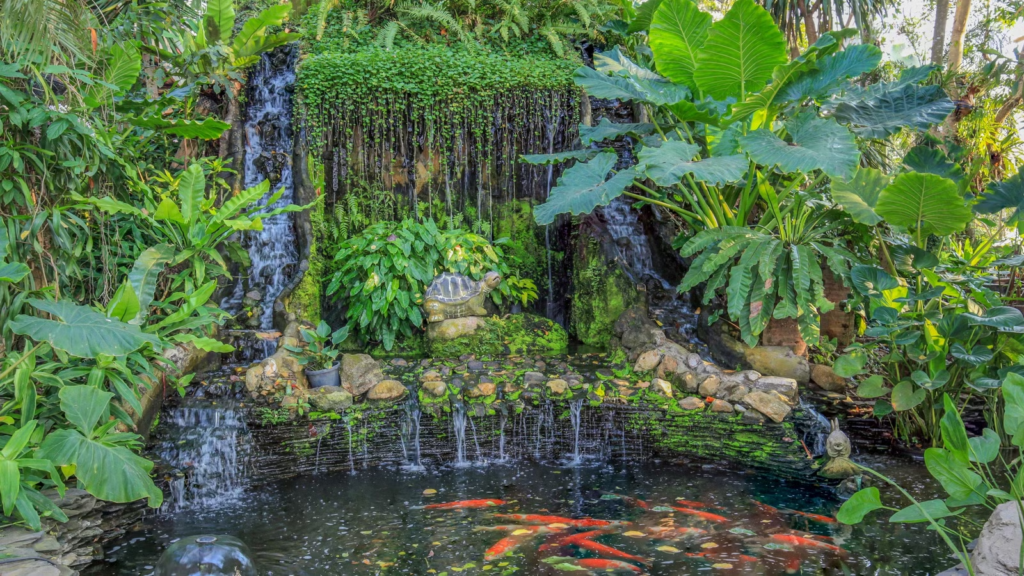
Koi fish are large ornamental fish that are bred mainly for their striking colors and patterns. They are actually a special variety of carp, specifically the Amur carp. Over many generations, breeders carefully selected fish with the most beautiful colors and patterns to create the koi varieties we see today.
Koi can display a wide range of colors such as red, orange, white, yellow, blue, and black. Some have bold patterns, while others have more simple color combinations. One well-known feature is the black marking called sumi, which adds contrast and depth to a koi’s appearance.
These fish can grow quite large. Many koi reach lengths of about 24 to 36 inches, and some even grow bigger with proper care. Their strong bodies and flowing fins make them graceful swimmers that stand out in any pond.
History and Cultural Meaning
The story of koi fish began in China many centuries ago. At first, carp were raised mainly as a food source. Over time, farmers noticed that some fish had unusual colors instead of the normal gray tone. These colorful fish were kept and bred together, which slowly created the early versions of koi.
The practice of breeding ornamental carp later spread to Japan, where it became an important part of culture. Japanese breeders improved the fish through careful selection, producing the many koi varieties that are famous today.
In Japan, koi fish represent strength, courage, and determination. They are known for their ability to swim upstream against strong currents. Because of this, they often symbolize perseverance and success after hard work. Koi are also believed to bring good luck, prosperity, and harmony, which is why many people include them in garden ponds and water features.
Popular Types of Koi
Koi varieties are usually classified by their color patterns and scale types. Some of the most popular types include:
Kohaku
These koi have a bright white body with bold red markings. Kohaku is one of the oldest and most recognized koi varieties.
Taisho Sanke
Sanke koi have a white body with both red and black patterns. The combination creates a balanced and elegant appearance.
Showa Sanshoku
Showa koi have a black base color with red and white markings. Their darker body makes the patterns stand out strongly.
Tancho
Tancho koi are white with a single red circle on the head. This mark resembles the red sun on the Japanese flag.
Asagi
Asagi koi have a soft blue-gray body with red or orange markings on the fins and belly.
Each variety has its own beauty, and collectors often enjoy raising several types in the same pond.
Creating the Ideal Environment for Koi
Designing a Healthy Koi Pond
A well-planned pond is very important for the health and growth of koi fish. These fish need space, clean water, and stable conditions to live comfortably.
When building a koi pond, the first thing to consider is size. Larger ponds are better because they provide more stable water conditions and more swimming space. Koi grow quickly, so it is wise to plan for their full size.
The shape of the pond also matters. Round or oval shapes allow water to move smoothly, which helps prevent waste from collecting in corners. Some pond owners add waterfalls or small streams to improve water flow and create a relaxing atmosphere.
Depth is another important factor. A good koi pond is usually between 1.5 and 2 meters deep. Deeper water helps protect fish from temperature changes and predators.
Safe construction materials should also be used. Pond liners must be durable and safe for fish. If concrete is used, it should be sealed properly to avoid leaks and harmful chemicals entering the water.
Importance of Filtration Systems
Koi are active fish that produce a lot of waste. Without a proper filtration system, pond water can quickly become dirty and unsafe for the fish.
A strong filtration system usually includes several stages that work together to keep the water clean.
Mechanical Filtration
This stage removes solid waste such as leaves, fish waste, and leftover food. It often uses brushes, foam mats, or screen filters to trap debris.
Biological Filtration
Beneficial bacteria grow in the filter media and break down harmful substances like ammonia and nitrite. These bacteria convert toxins into safer compounds that are easier to manage.
Chemical Filtration
This stage removes dissolved impurities and improves overall water quality. Materials such as activated carbon or special mineral media are often used.
UV Sterilization
Ultraviolet light helps control harmful microorganisms and algae. This keeps the water clear and reduces the risk of disease in the pond.
Maintaining Good Water Quality
Clean water is the key to keeping koi healthy and active. Even though koi are strong fish, sudden changes in water conditions can stress them and lead to illness.
Several water factors should be checked regularly:
Oxygen Levels
Koi need enough oxygen in the water to breathe properly. Good aeration helps maintain healthy oxygen levels.
Water Temperature
Koi prefer water temperatures between 24°C and 28°C. Large temperature changes should be avoided because they can stress the fish.
pH Balance
Koi do best in slightly alkaline water with a pH between 7.0 and 8.5. Stable pH levels are important for their overall health.
Ammonia and Nitrite
These chemicals come from fish waste and can be harmful even in small amounts. A strong biological filter helps remove them.
Nitrate Levels
Nitrate is less harmful but should still be kept low. Regular partial water changes help control nitrate levels.
Water Clarity
Clear water not only looks better but also indicates a healthy pond environment.
Regular Pond Maintenance
To keep a koi pond healthy, regular maintenance is necessary.
Daily tasks may include removing leaves and debris from the water surface. This prevents waste from breaking down and polluting the pond.
Occasionally, the bottom of the pond should be cleaned using a pond vacuum to remove built-up waste.
Filters should also be cleaned and maintained according to the manufacturer’s instructions. Mechanical filters may need weekly cleaning, while biological filters usually require less frequent care.
Partial water changes every few weeks can also help keep the pond balanced and fresh.
Conclusion
Keeping koi fish can be a very rewarding hobby. Their bright colors, calm movements, and long lifespan make them a beautiful addition to any garden or outdoor space.
By understanding the needs of koi and creating the right pond environment, you can enjoy watching these remarkable fish for many years. With proper care, patience, and regular maintenance, your pond can become a peaceful place where koi thrive and bring a sense of calm to your surroundings.




Leave a Reply